
Explore the Design

Inside the RA Energy Prototype
The RA Energy prototype brings together multi-angle photovoltaic geometry, passive thermal management, modular construction, and a purpose-built structural system.
Explore the individual components and engineering decisions that transformed the original concept into a physical prototype.

The Architecture
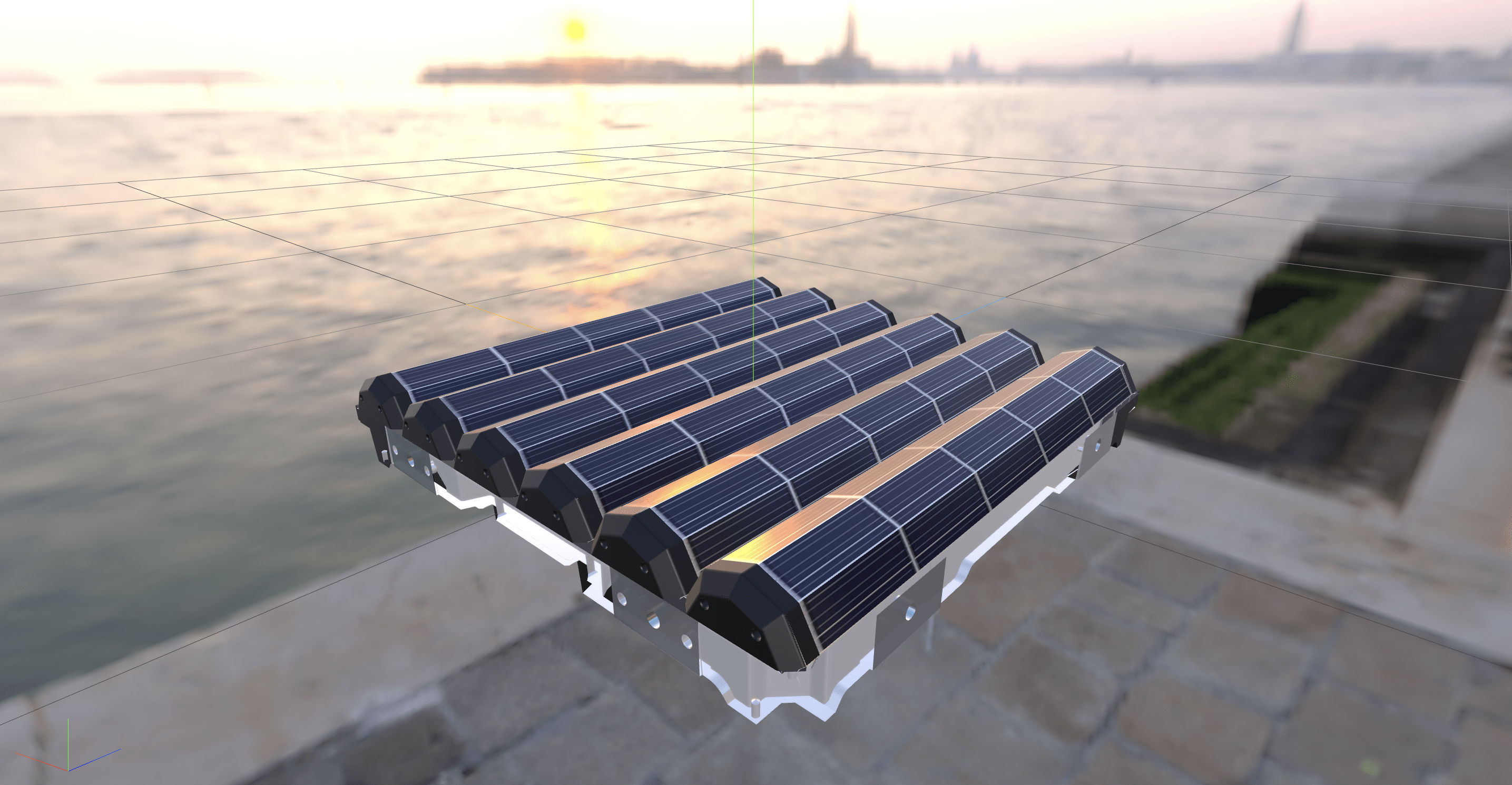
The prototype uses a repeating multi-angle geometry that places photovoltaic cells across several orientations within the same installation footprint.
This architecture increases the amount of active photovoltaic surface that can be incorporated into a given footprint while exposing cells to different solar angles throughout the day.
Design Objective: Maximize active photovoltaic area within the available installation footprint.

Multi-Angle Cell Geometry
Each repeating section positions photovoltaic cells at multiple angles rather than along a single continuous plane. Together, these surfaces form the larger photovoltaic array.
The geometry is repeated across the module, creating a continuous photovoltaic surface composed of many individually oriented cell sections.
More Surface Within the Footprint
Footprint Area ≠ Active Photovoltaic Area
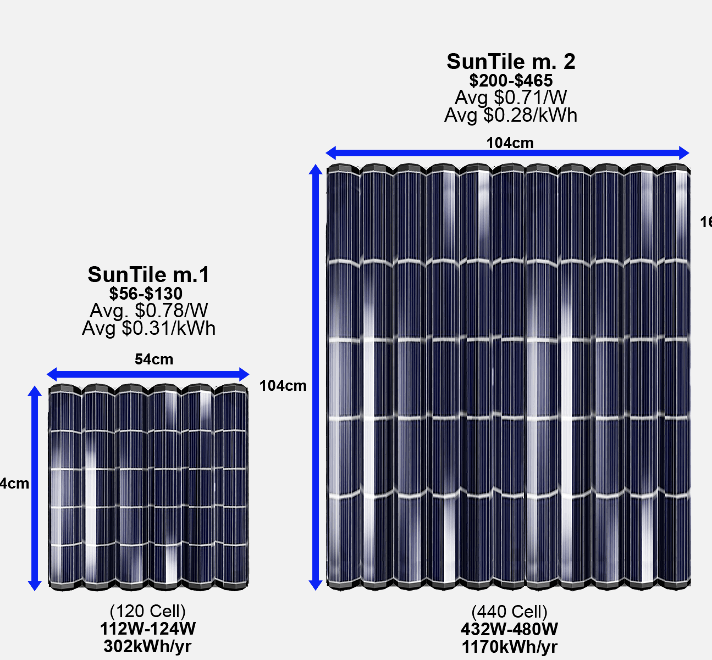
Installation space places a physical limit on every photovoltaic system. The RA Energy architecture explores whether the active photovoltaic surface can extend beyond that two-dimensional footprint through three-dimensional geometry. Instead of treating the installation footprint and photovoltaic surface area as the same measurement, the architecture separates the two.

Integrated Thermal Management
Photovoltaic performance is influenced by operating temperature. The prototype incorporates aluminum structural components directly behind the photovoltaic assemblies, allowing the structure to participate in passive heat transfer.
Rather than treating the supporting structure and thermal system as separate components, the design explores whether the same aluminum architecture can provide mechanical support while also conducting heat away from the photovoltaic cells.
From CAD to Physical Prototype
Digital modeling provided the foundation, but the design ultimately had to exist in the physical world.
Components were machined, 3D printed, wired, assembled, and fitted by hand to transform the CAD architecture into a functioning prototype.


The prototype was designed, machined, assembled, and tested by hand.
Evolution of the Design

Early Geometry Studies
Initial experiments explored how photovoltaic cells could be arranged across curved and multi-angle surfaces.

Hand-Built Cell Arrays
Individual photovoltaic cells were wired and assembled into small sections to test different geometries and electrical configurations.

Engineering the Structure
As the design evolved, the focus expanded beyond photovoltaic geometry to the physical architecture required to support it. CAD modeling allowed individual brackets, fasteners, electrical connections, structural members, and assembly points to be designed as parts of a complete system.
Larger Prototype Assemblies
Successful concepts were incorporated into progressively larger structures, allowing the geometry, wiring, thermal behavior, and mechanical construction to be evaluated together.

Comparative Testing
Prototype arrays were tested alongside conventional flat configurations to measure how changes in geometry affected electrical output under real-world conditions.
Current Architecture
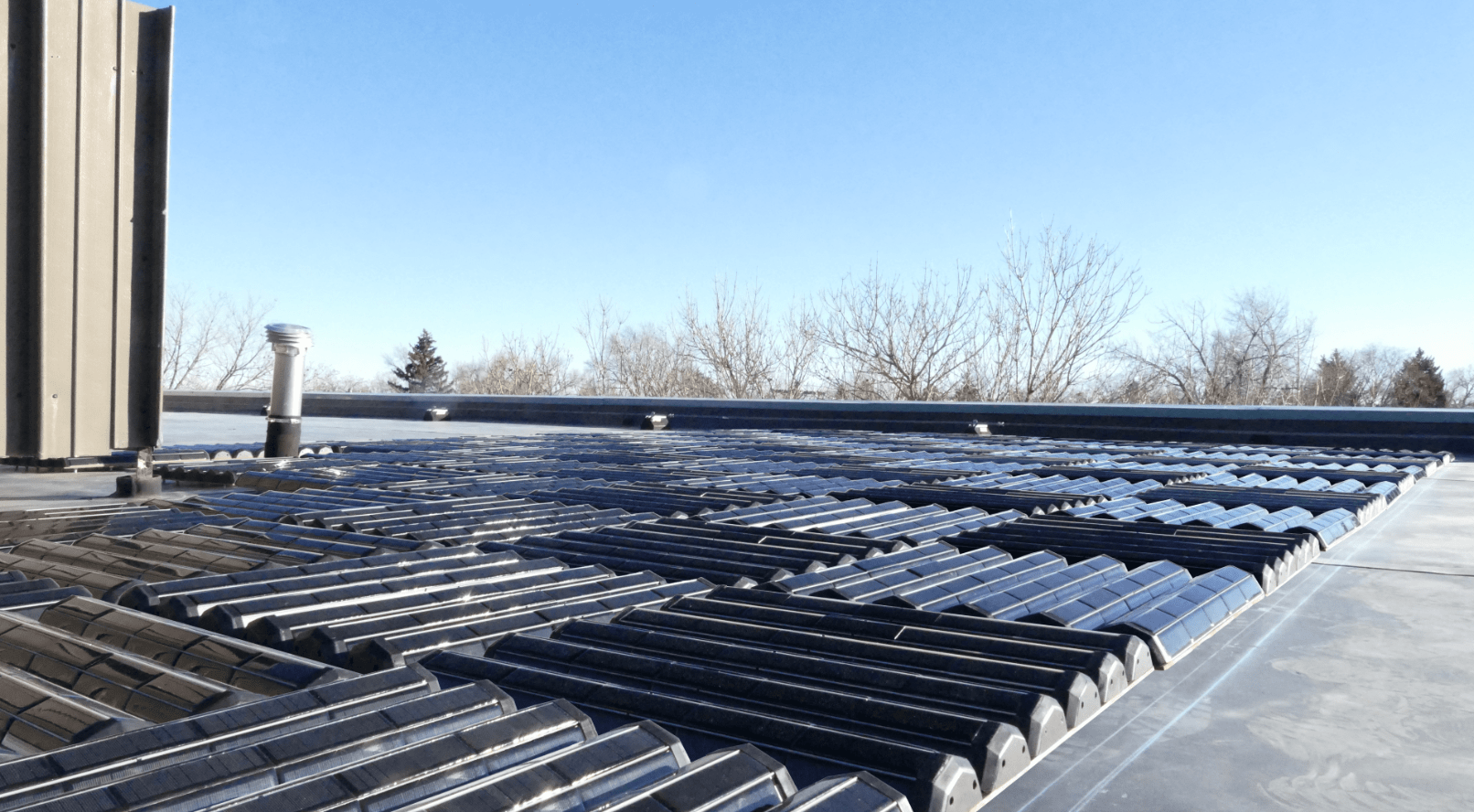
Those experiments ultimately informed the modular architecture being developed today.

Installation footprint compared with active photovoltaic surface.

What Comes Next
The current prototype is one step in an ongoing engineering process. Each engineering refinement provides new information that can be used to refine the geometry, thermal architecture, electrical design, materials, and manufacturing methods.
Future development will also explore photovoltaic cells designed specifically for the RA Energy architecture.